Sailing, Dyscalculia, and Self-Advocacy
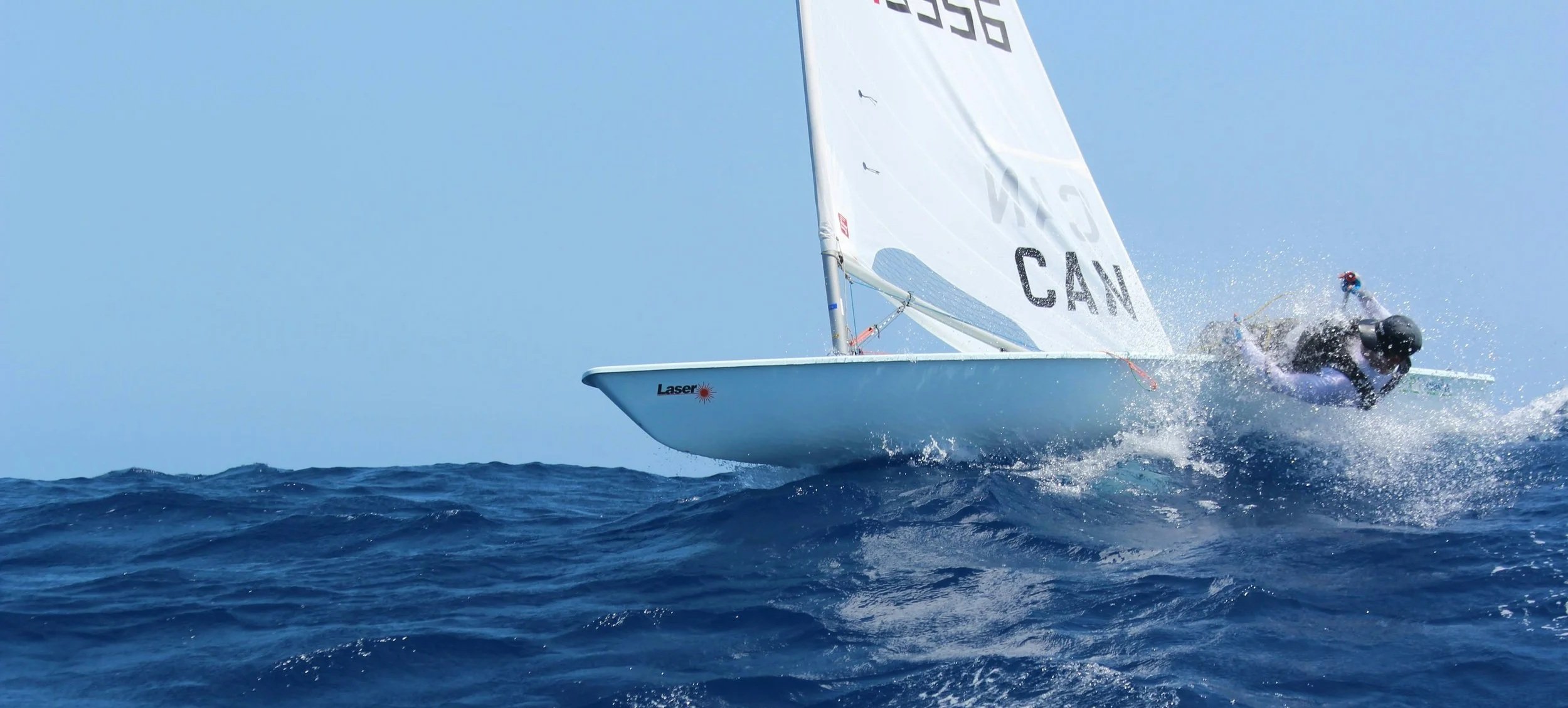
The summer before high school, my daughter joined a friend for a local parks and recreation sailing camp. In those two weeks on the water she fell in love with the sport of sailing.
She immediately joined the high school racing team and spent the next four years becoming a skilled sailor. Being a part of the sailing team was a highlight of her high school experience. The positive camaraderie and friendships, life skills learned, joy of being in nature, and internal sense of accomplishment at becoming competitively adept at a unique sport were instrumental in her developing sense of self.
During her senior year in high school, she decided to get her level one sailing instructor certification and work as a summer sailing instructor for the same camp where she was first introduced to the sport. It was an obvious win-win situation earning money for college while doing something she loved.
A level one instructor certification required passing several online courses with the culmination of traveling to a nearby city for three full days of intense instruction and testing.
The sailing, creating lessons and drills, and classmate dynamics were all going well until day two when my daughter called my husband and I. She was upset by a particularly challenging conversation with the class instructor.
My daughter knew the most difficult aspect of class would be communicating with the instructor how her dyscalculia impacts her abilities to estimate distance and determine measurements, especially while driving the coach motorboat and shouting coaching instructions to other sailors.
On the sailing team, she had developed workarounds for navigating her dyscalculia-caused challenges while sailing. She became a confident self-advocate about her learning disability challenges, informing teachers, coaches, and adults about her disability and identifying the supports that would best enable her success.
Sometimes adults responded with curiosity and openness. Other times they did not. Unfortunately, this was another one of those moments when they did not.
I listened on the phone as she described her attempt to communicate with the instructor about her unique challenges and methods for working through her disability. The instructor’s response to her self-advocacy and self-awareness was dismissive. He interrupted her with, “You still have to do it the way I’m telling you.”
Then he stated his own inaccurate assumption as to the reason for her challenges, “Your real problem is that you are not confident.”
Anger welled in me as I listed to the coach’s response.
Deep breath.
I knew my work in that moment was to listen and empathize with my daughter.
But this was incredibly hard for me because what I wanted to do was to ask for the instructor’s contact info so I could call him and give him a piece of my mind.
Instead, I ordered a hearty meal from Chipotle to be delivered to my flustered and exhausted daughter that evening.
It was an important reminder for me of our power as adults to affirm or reject a student’s self-advocacy attempts.
Will we be people who are curious and empathetic, who listen to the challenges they face and resolve to support them in their journey? Or will we shut them down, interrupt them, deny their reality, and demand that they do things the way that makes sense to us?
In my dyscalculia coaching work, I have spoken with countless dyscalculia adults and listened to the negative life repercussions when others snuffed out their confidence and self-advocacy; telling them they were not trying hard enough, that they were not smart, or that they were lazy or distracted.
As parents, teachers, and coaches, we need to be aware of how our response can have a serious and even a life-long impact on a student’s confidence, belief in themselves, and their continued ability to self-advocate.
I want to be a person who empowers students in their journey of learning about themselves and trying new things in the face of many obstacles.
I’m happy to report that in the end, my daughter did pass her level one sailing instructor certification and is now spending her summer coaching young aspiring sailors on the water.